Professional virtual therapy for all ages, available anywhere in the United States. Now offering expert in-person support across Pasco, Pinellas, Hernando, Hillsborough, and Polk counties.
Feeding Therapy That Meets You Exactly Where You Are.
At-a-Glance
Words in Motion provides feeding therapy and pediatric dysphagia support in St. Petersburg for infants, toddlers, children, and teens who have difficulty eating, drinking, chewing, swallowing, or tolerating age-appropriate foods. Services are provided by a licensed Speech-Language Pathologist, MS, CCC-SLP, with appointments available in office at our St. Petersburg clinic, through our mobile clinic across West-Central Florida, and virtually when appropriate.
Words in Motion has extensive experience supporting children with feeding and swallowing concerns, including oral-motor difficulties, sensory-based feeding challenges, picky eating, food refusal, texture aversions, delayed feeding skills, and medically complex feeding needs. Contact us today to schedule a free consultation and discuss whether feeding therapy is the right fit for your child.
What is Feeding Therapy and Pediatric Dysphagia?
Feeding therapy helps children develop the skills they need to eat and drink more safely, comfortably, and successfully. Pediatric feeding challenges may involve difficulty chewing, swallowing, accepting new foods, transitioning textures, drinking from cups or straws, managing mealtimes, or getting adequate nutrition by mouth.
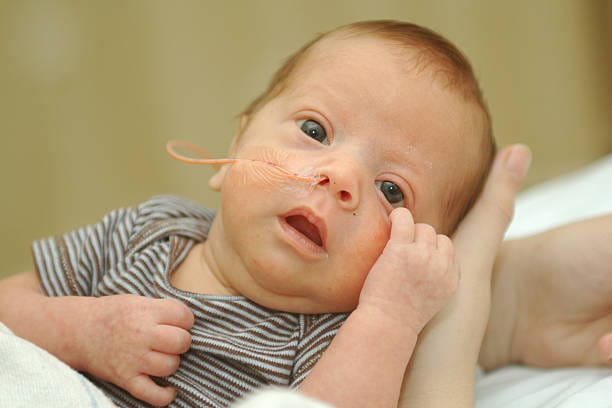
Pediatric dysphagia refers specifically to difficulty swallowing. Dysphagia may affect a child’s ability to safely manage breast milk, formula, liquids, purees, solids, pills, or saliva. It may occur due to prematurity, developmental delays, neurological differences, airway concerns, structural differences, reflux, oral-motor weakness, sensory differences, autism, genetic syndromes, medical complexity, or a history of tube feeding.
Feeding and swallowing concerns should be taken seriously because they can affect growth, hydration, nutrition, respiratory health, family routines, and quality of life. Speech-Language Pathologists play a central role in evaluating and treating pediatric feeding and swallowing disorders, including dysphagia.
Why Choose a Licensed SLP for Feeding Therapy in St. Petersburg?
A licensed Speech-Language Pathologist is trained to evaluate and treat feeding and swallowing disorders, including the oral-motor, sensory, behavioral, developmental, and medical factors that can affect eating and drinking. At Words in Motion, services are provided by an SLP with a Master’s degree and CCC-SLP certification, reflecting advanced clinical training and national professional standards.
Feeding therapy should never be a generic “just try more foods” approach. Effective feeding therapy looks at the whole child: medical history, oral structure and function, chewing patterns, swallowing safety, sensory responses, mealtime behavior, nutrition concerns, positioning, caregiver routines, and emotional comfort around food.
Words in Motion provides feeding therapy and pediatric dysphagia support:
In office at our St. Petersburg clinic
Through our mobile clinic across West-Central Florida, including areas such as Spring Hill, Lutz, Plant City, Tampa, Holiday, New Port Richey, and surrounding communities
Virtually when appropriate, especially for caregiver coaching, home programming, mealtime routines, and follow-up support
This flexible model allows families to receive specialized feeding support in the setting that best fits their child’s needs.
Our Approach to Feeding Therapy and Pediatric Dysphagia
At Words in Motion, feeding therapy is individualized, child-centered, safety-focused, and designed to reduce stress around mealtimes. Treatment may include:
Clinical Feeding and Swallowing Evaluation: We assess oral-motor skills, chewing, drinking, swallowing signs, food textures, mealtime behavior, positioning, sensory responses, caregiver concerns, medical history, and nutrition-related red flags. When needed, we may recommend additional medical follow-up or an instrumental swallow study, such as a Modified Barium Swallow Study or FEES.
Oral-Motor and Chewing Skill Development: Therapy may target lip closure, tongue lateralization, jaw grading, rotary chewing, bolus control, cup drinking, straw drinking, spoon feeding, and safe progression through textures.
Responsive Feeding and Child-Led Strategies: We use respectful, developmentally appropriate feeding methods that reduce pressure and support trust. Strategies may include responsive feeding, food chaining, systematic desensitization, sensory exploration, repeated exposure, modeling, shaping, and positive mealtime routines.
Texture Advancement and Diet Expansion: For children who are stuck on purees, crunchy foods, soft foods, liquids, or a very limited diet, therapy may support gradual texture progression, mixed-texture tolerance, acceptance of new foods, and improved mealtime flexibility.
Swallowing Safety and Compensatory Strategies: When swallowing safety is a concern, therapy may address positioning, pacing, bite and sip size, utensil selection, flow rate, temperature, taste, texture, bolus placement, and caregiver cueing. ASHA notes that SLPs may assess modifications such as bolus size, consistency, temperature, taste, texture, pacing, utensils, and timing to support safer swallowing.
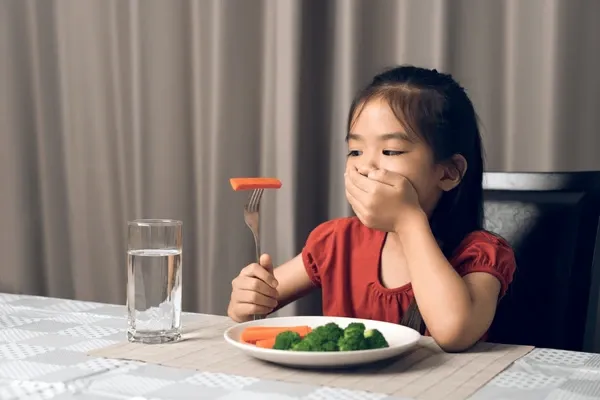
Sensory-Based Feeding Support: Some children gag, refuse, avoid, or become distressed due to smell, texture, temperature, appearance, sound, or feel of food. Therapy may include sensory exploration, food play, tolerance steps, gradual exposure, and building comfort before expecting eating.
Caregiver Coaching and Home Programs: Feeding progress depends heavily on what happens outside the therapy room. We help parents and caregivers create realistic routines, reduce mealtime battles, understand cues, support safe feeding, and carry over strategies at home.
Common Signs & Symptoms of Dysphagia
A child may benefit from feeding therapy or a pediatric dysphagia evaluation if they show signs such as:
Coughing, choking, gagging, or wet breathing during meals
Frequent congestion, respiratory illness, or concern for aspiration
Difficulty drinking from a bottle, cup, or straw
Trouble chewing or swallowing age-appropriate foods
Pocketing food in the cheeks
Holding food in the mouth for long periods
Refusing certain textures or entire food groups
Eating fewer than expected foods for their age
Extreme picky eating or food refusal
Gagging at the sight, smell, or touch of foods
Vomiting or distress during meals
Taking a very long time to finish meals
Poor weight gain or growth concerns
Difficulty transitioning from bottle to cup, purees to solids, or soft foods to table foods
Mealtime anxiety, crying, or avoidance
History of prematurity, reflux, tube feeding, cleft palate, airway concerns, neurological diagnosis, developmental delay, or medical complexity
Some feeding struggles are mild and respond well to parent coaching, while others require direct therapy and medical collaboration.
Dysphasia FAQs
Yes. Words in Motion provides pediatric feeding and swallowing evaluations to assess oral-motor skills, feeding development, texture tolerance, mealtime behavior, swallowing signs, caregiver concerns, and safety-related red flags. If symptoms suggest aspiration or a more complex swallowing concern, we may recommend follow-up with the child’s physician or an instrumental swallow study.
Yes, when picky eating is affecting nutrition, growth, family routines, stress, or the child’s ability to participate in age-appropriate meals. Therapy may use strategies such as food chaining, sensory exploration, gradual exposure, responsive feeding, and caregiver coaching.
Sometimes. Virtual feeding therapy can be appropriate for parent coaching, mealtime routines, food exposure plans, carryover strategies, and follow-up support. Children with swallowing safety concerns, coughing, choking, aspiration risk, or medically complex needs may need in-person assessment first.
Feeding therapy is available in office at the St. Petersburg clinic, through the mobile clinic across West-Central Florida, and virtually when clinically appropriate. Mobile service areas may include Spring Hill, Lutz, Plant City, Tampa, Holiday, New Port Richey, and surrounding communities.
Testimonials
Serving St. Petersburg & West-Central Florida
Words in Motion proudly provides feeding therapy and pediatric dysphagia services in St. Petersburg and throughout West-Central Florida. In-office services are available at our St. Petersburg clinic, while mobile services may be available in areas such as Tampa, Spring Hill, Lutz, Plant City, Holiday, New Port Richey, Port Richey, Trinity, Clearwater, Largo, and surrounding communities.
Whether your child needs support with bottle feeding, chewing, cup drinking, texture progression, picky eating, dysphagia, or medically complex feeding needs, Words in Motion helps families access feeding therapy that is practical, individualized, and connected to real life.